Quick answer
Under California's 2025 Energy Code (Title 24, Part 6), re-roofing more than 50% of a home's roof in Climate Zones 4 and 8 to 15 triggers cool roof rules. Steep-slope roofs need a CRRC-rated product with aged solar reflectance of 0.20 and thermal emittance of 0.75, or an SRI of 16. The High Desert is Climate Zone 14. Exceptions exist, and your building department decides.
What a cool roof is
A cool roof is a roof covering that reflects more sunlight and sheds absorbed heat faster than a standard roof. Two numbers describe it:
- Solar reflectance: how much of the sun's energy the surface bounces back, on a scale of 0 to 1. The code uses the aged value, measured after the product has weathered for three years, because roofs get dirtier and less reflective over time.
- Thermal emittance: how well the surface releases the heat it does absorb, also from 0 to 1.
A third number, the Solar Reflectance Index (SRI), combines the two into one score. The code lets a product meet the rule either with the reflectance and emittance pair or with the SRI.
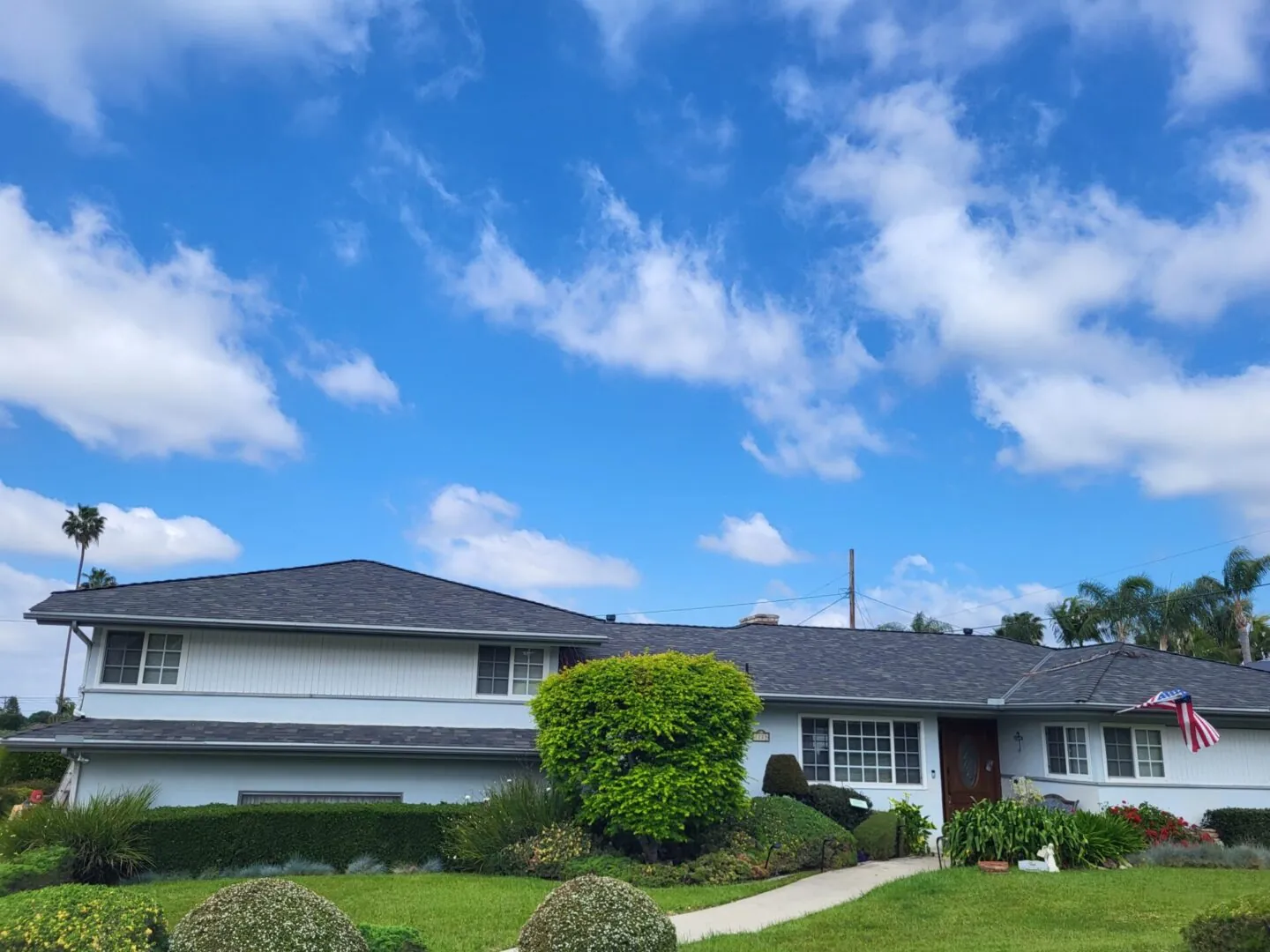
A cool roof does not have to be white. Manufacturers make cool-rated shingles and tile in grays, browns, tans and other colors, especially for the lower steep-slope targets that apply to most homes.
When the rule applies to your re-roof
California's Building Energy Efficiency Standards (Title 24, Part 6) are updated every few years. The 2025 Energy Code took effect on January 1, 2026, and it is what applies to permits filed now.
For existing single-family homes, the cool roof requirement kicks in when more than 50% of the roof is being replaced, recovered or re-coated. A small repair or replacing one slope usually does not trigger it. A full re-roof usually does.
The rule depends on your climate zone. California is divided into 16 building climate zones, and for steep-slope re-roofs the requirement applies in Climate Zones 4 and 8 to 15. Here is how that lines up locally:
- Climate Zone 14 covers the High Desert: Hesperia, Victorville, Apple Valley, Adelanto, Oak Hills, Phelan and the rest of the Victor Valley.
- Climate Zone 10 covers San Bernardino valley areas like San Bernardino, Fontana, Rancho Cucamonga and Redlands.
Both zones are in scope. Mountain communities like Lake Arrowhead, Crestline and Wrightwood may fall in a different zone, so check with the building department for your exact address.
The numbers for steep-slope and low-slope roofs
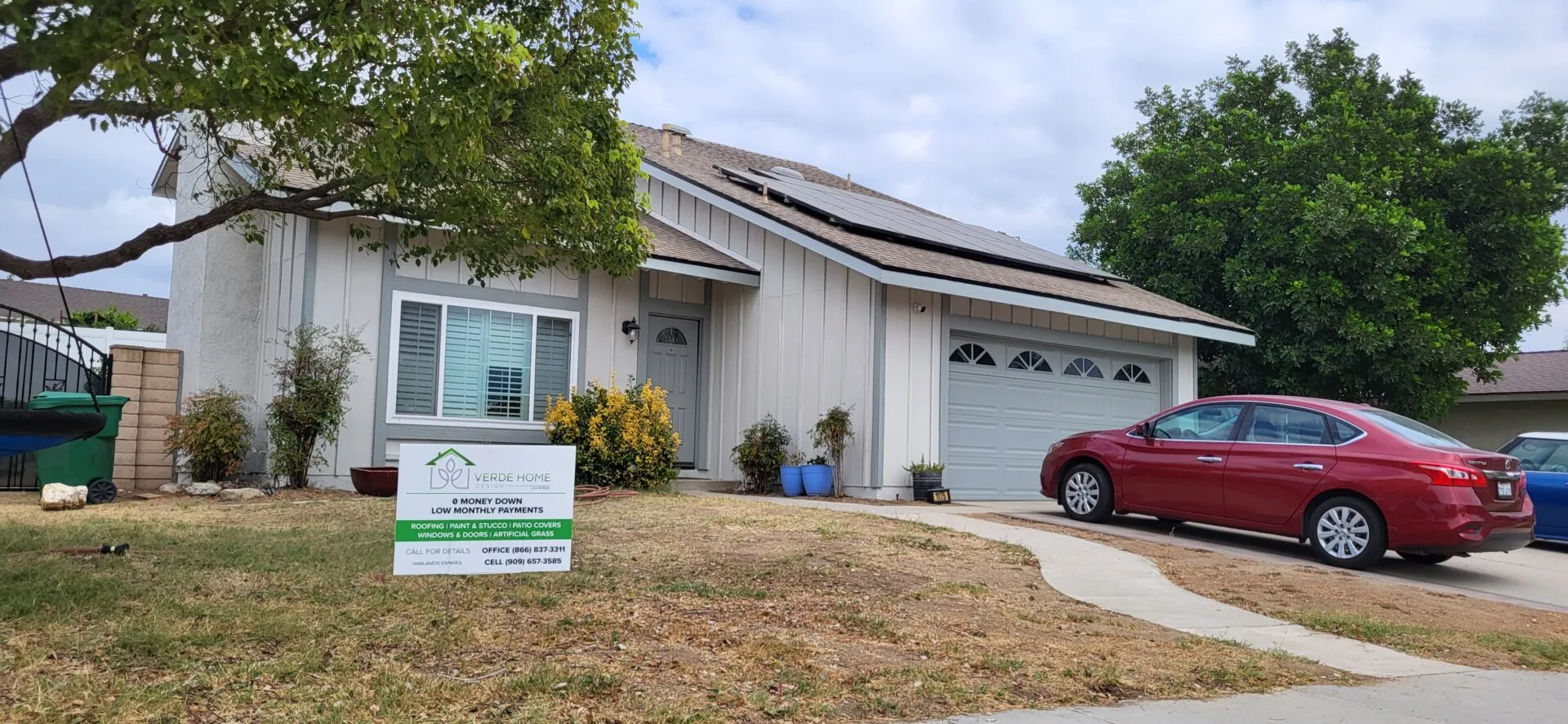
Most homes here have a steep-slope roof, which in the code means a pitch of 2 in 12 or steeper. For a steep-slope re-roof in Climate Zones 4 and 8 to 15, the new roofing product needs:
- A minimum 3-year aged solar reflectance of 0.20 and a minimum thermal emittance of 0.75, or
- A minimum SRI of 16.
Low-slope roofs (flatter than 2 in 12) have a much higher target. According to the Cool Roof Rating Council's summary of the 2025 code, low-slope re-roofing on single-family homes in Climate Zones 4 and 6 to 15 calls for an aged solar reflectance of 0.63 and thermal emittance of 0.75, or an SRI of 75. That is why low-slope cool roofs are usually white or very light. Our flat roof repair guide covers low-slope roofs in more detail.
Only rated values count. A product without a rating is assigned low default values in the code, which will not meet the steep-slope target.
CRRC ratings and labels
The California Energy Commission uses the Cool Roof Rating Council (CRRC) to rate roofing products. To count toward the requirement, a product must be rated by the CRRC and carry a label showing its initial and aged solar reflectance and its thermal emittance.
In practice, this means:
- Your roofer picks a product and color that is listed in the CRRC Rated Products Directory with values that meet your zone's targets.
- The building inspector may check the label on the packaging or the product documentation.
- The same shingle line can have some colors that qualify and some that do not, so the color you choose matters.
If you are comparing architectural vs 3-tab shingles, check which colors in each line are cool-rated before you fall in love with one.
Common exceptions
The code includes exceptions for single-family re-roofs, and many homes qualify for at least one. Based on the CRRC summary of the 2025 code, the steep-slope requirement may not apply to homes that have:
- At least R-38 ceiling insulation (or a ceiling assembly with a U-factor of 0.025 or lower).
- A qualifying radiant barrier in the attic.
- No ducts in the attic, in certain climate zones including Zones 10 and 14.
- R-2 or greater continuous insulation above or below the roof deck.
There are also exceptions for roof area covered by building-integrated solar panels, and for very heavy roof constructions (at least 25 pounds per square foot).
Before you count on an exception: your city or county building department decides what applies and what documentation they need. Some exceptions need proof, like an insulation certificate. Ask your roofer to confirm with the building department before you pick a non-rated color.
Permits, paperwork and who handles it
A re-roof generally needs a building permit from your city or county, such as City of Hesperia Building and Safety or San Bernardino County Land Use Services for unincorporated areas. The energy code paperwork is part of that permit. Many building departments use a standard compliance form for re-roofs that records the product, its CRRC values, or the exception being used.
A licensed roofer should handle this for you and explain it in the estimate. If an estimate for a full re-roof does not mention the permit or cool roof compliance at all, ask about it. Our guide to comparing roofing estimates lists other line items to look for.
If your home is also in a Fire Hazard Severity Zone, the new roof must meet fire rules too. Most cool-rated shingles and tile can meet both. See Class A fire-rated roofs.
Does a cool roof actually help out here?
In a place with long, hot summers and strong sun, a more reflective roof generally keeps the roof surface and attic cooler than a dark, standard roof. That can mean less heat pushing into the house and less work for the air conditioner. How much it helps depends on your insulation, ducts and ventilation.
A cool roof also works best with good attic ventilation, which is part of every roof replacement we do. Fixing ventilation and a cool-rated product together is usually a better plan than either one alone.
How Ocelot Roofing can help
We will tell you whether the cool roof rule applies to your re-roof, which colors and products meet it, and whether an exception might fit your home, then confirm it with the building department. It is all laid out in a free, itemized estimate so there are no surprises at permit time.
Manny Torres, the owner, oversees every project from estimate to final inspection. Request your free estimate or call (866) 837-3311.
Common questions
Does a cool roof have to be white?
No, not for most homes. The steep-slope target of 0.20 aged solar reflectance can be met by many cool-rated shingle and tile colors, including grays, tans and browns. Low-slope roofs have a much higher target, so those are usually white or very light.
Does the cool roof rule apply if I only repair part of my roof?
For existing single-family homes, the requirement is triggered when more than 50% of the roof is replaced, recovered or re-coated. A small repair or replacing a minor section typically does not trigger it. Your building department makes the final call on your project.
How do I know if a shingle color is cool-rated?
Look it up in the Cool Roof Rating Council's Rated Products Directory, or check the CRRC label on the product packaging. Manufacturers also list which colors are cool-rated in their product literature. Your roofer should confirm the rating before ordering.
About the author
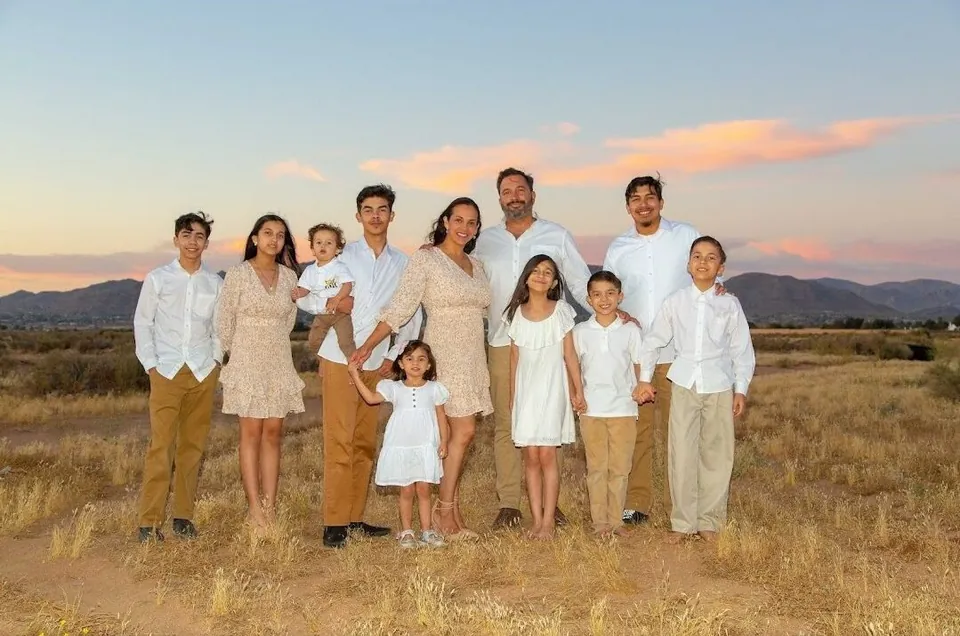
Manny Torres, Owner, Ocelot Roofing
Manny Torres owns Ocelot Roofing and personally oversees every project from estimate to final cleanup. Ocelot Roofing is part of Verde Home Design Inc., a third-generation family business based in Hesperia, CA.