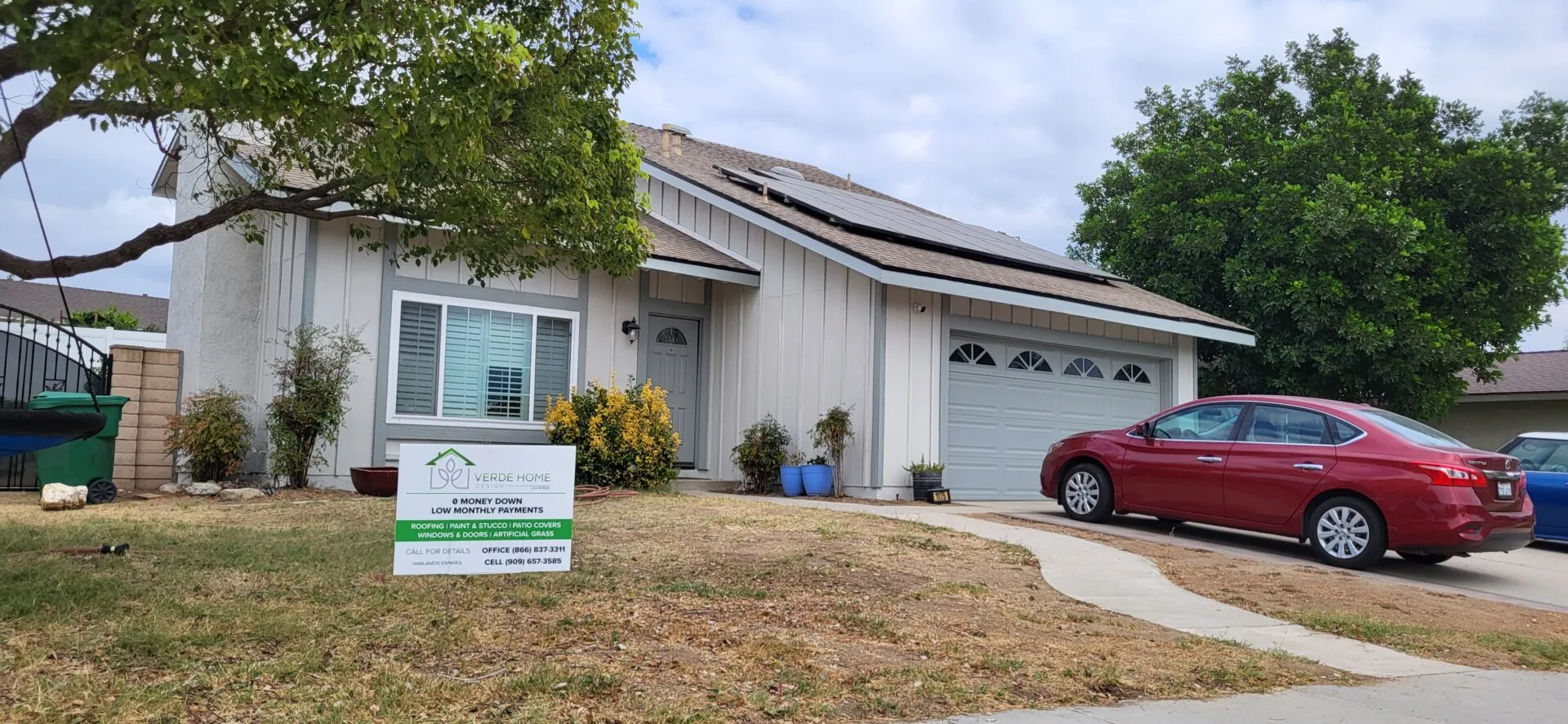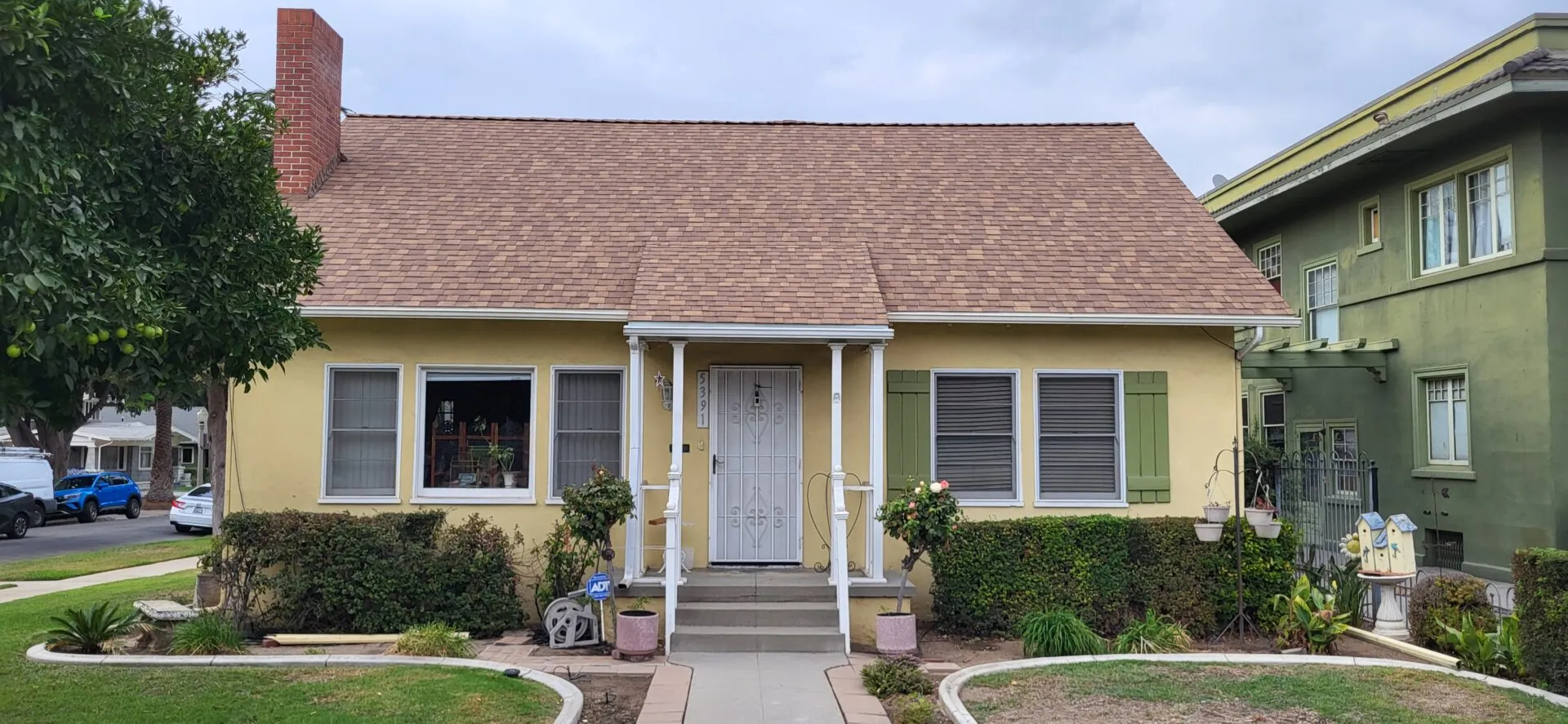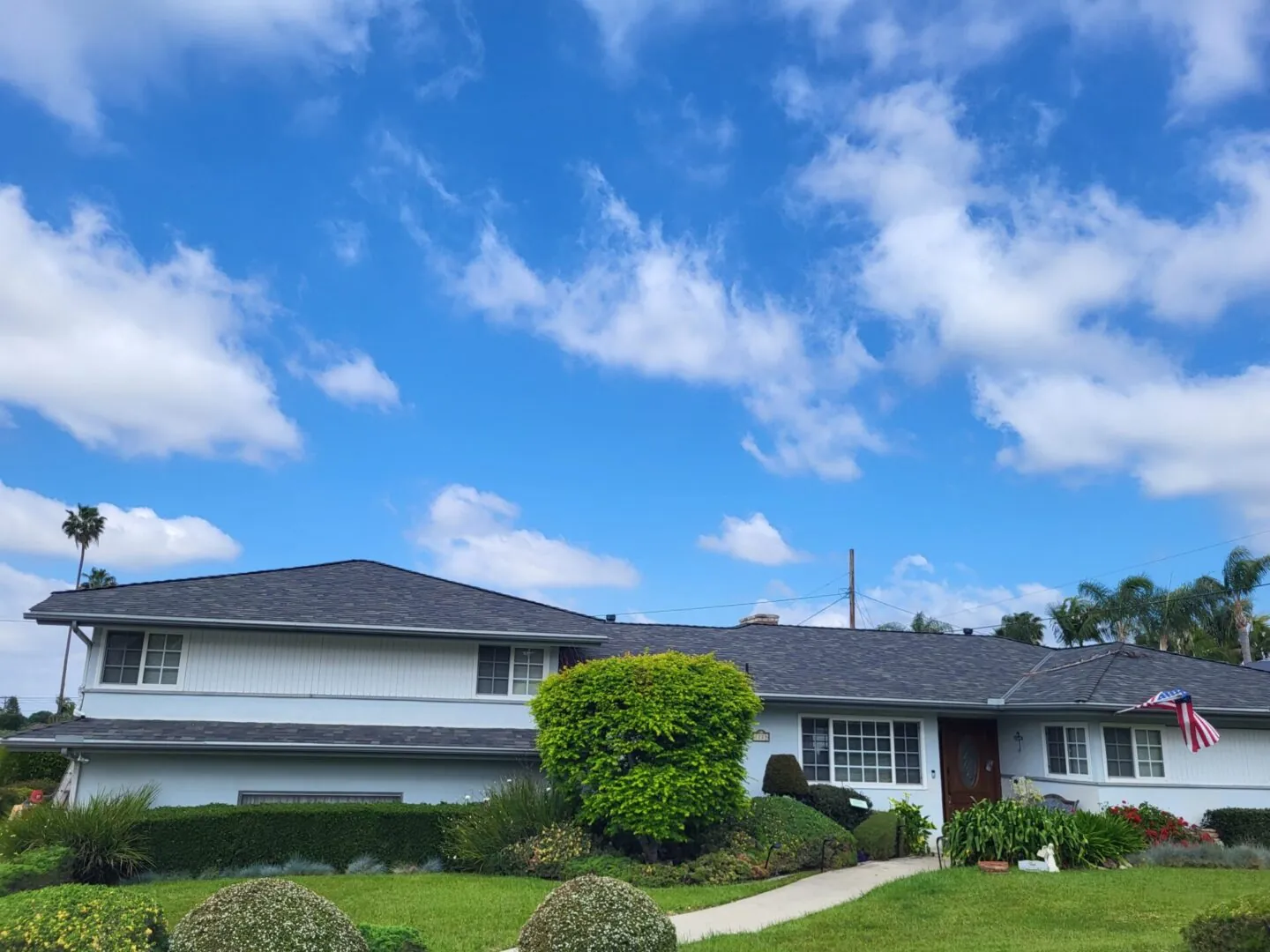
Quick answer
A Class A roof has the highest fire rating under standard tests (ASTM E108 or UL 790). In California Fire Hazard Severity Zones, the whole roof must be Class A when more than 50% is replaced within one year, and wood shakes are prohibited. Fiberglass asphalt shingles and concrete or clay tile are commonly Class A, and it counts toward Safer from Wildfires insurance discounts.
What Class A actually means
Roof coverings are fire tested and rated Class A, B or C, with Class A being the most resistant. The tests (ASTM E108 or UL 790) look at how well a roof resists flame spreading across its surface, how well it resists burning embers and brands landing on it, and whether fire gets through to the deck below.
An important detail: the rating usually applies to a roof assembly, not just the top layer. The shingle or tile, the underlayment and the deck are tested together, and the rating depends on installing them the way the listing says. That is why installation to the manufacturer's instructions matters so much.
Commonly Class A roof coverings include:
- Fiberglass-based asphalt shingles (3-tab and architectural)
- Concrete tile
- Clay tile
Wood shakes and wood shingles are a different story, and in fire zones they are not allowed at all.
Fire Hazard Severity Zones and the High Desert
CAL FIRE and the Office of the State Fire Marshal map Fire Hazard Severity Zones (FHSZ) across California, rated moderate, high and very high. In 2025 the state released updated maps for Local Responsibility Areas (areas where cities or local agencies handle fire protection), and the San Bernardino County Fire Protection District adopted its zone designations in June 2025.
That means some homes that were not in a mapped zone before may be now. In our area, foothill and mountain communities like Wrightwood, Lake Arrowhead and Crestline, and neighborhoods along the edges of Oak Hills, Phelan and the Cajon Pass, are the kinds of places where you would expect to find zones. The only way to know for sure is to look up your address.
Check your address: use CAL FIRE's Fire Hazard Severity Zone map (linked in the sources below) or the San Bernardino County Fire map viewer. Write down the zone before you get roofing estimates so every roofer is quoting to the same rules.
What California code requires when you re-roof
For homes in a Fire Hazard Severity Zone, the California Residential Code (Section R337, the wildland-urban interface rules, mirrored in Chapter 7A of the Building Code) sets roof requirements. The key ones for a re-roof are:
- When more than 50% of the total roof area is replaced within any one-year period, the entire roof covering must be Class A.
- Wood shingles and wood shakes are prohibited in any Fire Hazard Severity Zone, regardless of their rating.
- The roof must be installed according to its listing and the manufacturer's instructions.
- Where the roof profile leaves gaps between the covering and the deck (think the open ends of tile at the eaves), those spaces must be blocked against flames and embers, typically with bird stop or eave closures.
- Valley flashing gets extra protection, and gutters need a way to keep leaves and debris from building up.
Your local building department enforces these rules and may add its own. A re-roof permit is generally required either way, and the inspector will check the fire requirements if you are in a zone.
Vents, edges and the details that stop embers
Most homes that burn in wildfires are lit by embers, not a wall of flame. Embers get in through gaps, vents and debris-filled gutters. A Class A roof covering is a big part of the defense, but the details around it matter too.
- Vents: Attic and roof vents in fire zones must resist ember intrusion. California code and the Safer from Wildfires program both point to noncombustible, corrosion-resistant metal mesh with openings between 1/16 and 1/8 inch, or vents listed as ember and flame resistant.
- Eaves and tile ends: Open tile ends at the eave need bird stop or closures. This is also a common leak and pest spot on older tile roofs.
- Gutters: Dry leaves and pine needles in gutters are fuel sitting right at the roof edge. Keep them clean, and ask about debris guards if you are under trees.
If you have a tile roof that needs new underlayment, a tile lift and relay is a good time to bring the eave closures and vents up to current standards.
Class A roofs and insurance discounts
California's Department of Insurance created the Safer from Wildfires program, which lists specific mitigation actions that qualify homeowners for an insurance discount. A Class A fire-rated roof is one of them, and the Department notes that most roofs qualify, including asphalt shingles and concrete or clay tile. Ember-resistant vents with 1/16 to 1/8 inch metal mesh are another listed action, along with a 5-foot ember-resistant zone around the house.
How much of a discount you get, and how you document it, depends on your insurer and policy. Discounts are not guaranteed to be any particular amount, and the details change. Call your insurance agent, ask which Safer from Wildfires actions they recognize, and ask what proof they need, such as your permit, final inspection or product information.
Keep the paperwork from your re-roof: the permit, the final inspection, and the product and color names. It makes these conversations much easier. If you ever sell the house, that same file helps answer buyer and insurer questions about the roof's age and rating without anyone needing to climb up and guess.
Choosing a Class A roof for your home
For most homes here, the choice comes down to shingles or tile, and both can meet Class A as a listed assembly:
- Architectural or 3-tab shingles are the budget-friendly path to Class A. See architectural vs 3-tab shingles for how they compare.
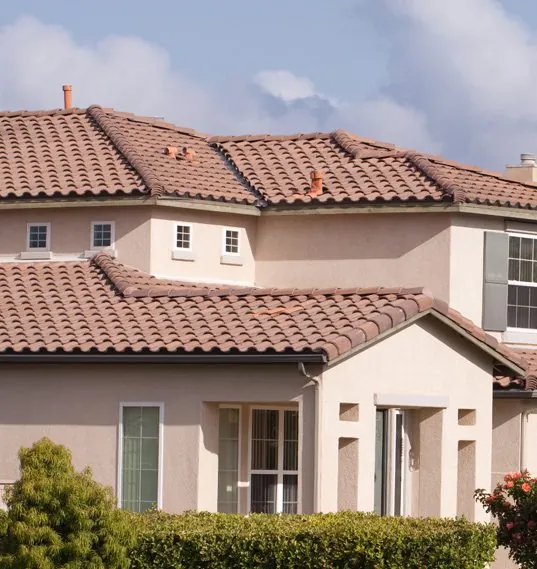
- Concrete or clay tile is noncombustible and handles heat well, and the tile itself lasts for decades. Its underlayment still wears out and needs replacement over time.
If more than half the roof is being replaced, the new roof may also need to meet California's cool roof rules. Most homes can meet both at once. We explain that in California cool roof rules for re-roofing.
How Ocelot Roofing can help
We will check your address against the fire zone maps, tell you what the code requires for your re-roof, and quote a roof system and installation that meets it, including vents, eave closures and flashing. You get it all in a free, itemized estimate, and we handle the permit.
Manny Torres, the owner, oversees every job start to finish. See our roof replacement and tile roofing options, request a free estimate, or call (866) 837-3311.
Common questions
Is my current roof Class A?
If it is fiberglass asphalt shingle or concrete or clay tile installed in the last few decades, there is a good chance it is, but the rating depends on the product and how it was installed. Wood shake roofs generally are not, unless they were specially treated and installed as a rated assembly. A roofer can often identify the product during an inspection, and your original permit or product paperwork may list it.
Do I have to replace my wood shake roof if I am in a fire zone?
Code rules usually apply when you re-roof, not while an existing roof is left alone. But if you replace more than half of it within a year, the new roof must be Class A, and wood shakes are not allowed in Fire Hazard Severity Zones. Your insurer may also have its own requirements, so it is worth asking them.
Will a Class A roof lower my insurance premium?
It can help. A Class A roof is one of the mitigation actions listed in California's Safer from Wildfires program, which insurers are expected to recognize with a discount. The amount and the proof needed vary by insurer, so ask your agent before and after your re-roof.

About the author
Manny Torres, Owner, Ocelot Roofing
Manny Torres owns Ocelot Roofing and personally oversees every project from estimate to final cleanup. Ocelot Roofing is part of Verde Home Design Inc., a third-generation family business based in Hesperia, CA.