Quick answer
Architectural shingles are thicker, layered asphalt shingles with a dimensional look, and they typically last longer and hold up better to wind than 3-tab shingles. 3-tab shingles are a single flat layer with a uniform look and the lowest price per square. Most homeowners replacing a whole roof choose architectural, while 3-tab still fits budget jobs, rentals and small outbuildings.
What the two shingles actually are
Both 3-tab and architectural shingles are asphalt shingles. They share the same basic recipe: a fiberglass mat, asphalt, and a surface of mineral granules that protects the asphalt from the sun. The difference is in how they are built and how much material goes into each one.
A 3-tab shingle is a single, flat layer cut into three equal tabs along the bottom edge. Once it is on the roof, you see a clean, even grid pattern. It is the classic look many older Hesperia and Victorville homes were built with.
An architectural shingle (also called dimensional or laminated) is made of two or more layers bonded together, with irregular cutouts. That layering gives the roof depth and shadow lines, so from the street it can look closer to wood shake or slate than a flat 3-tab roof.
Looks and curb appeal
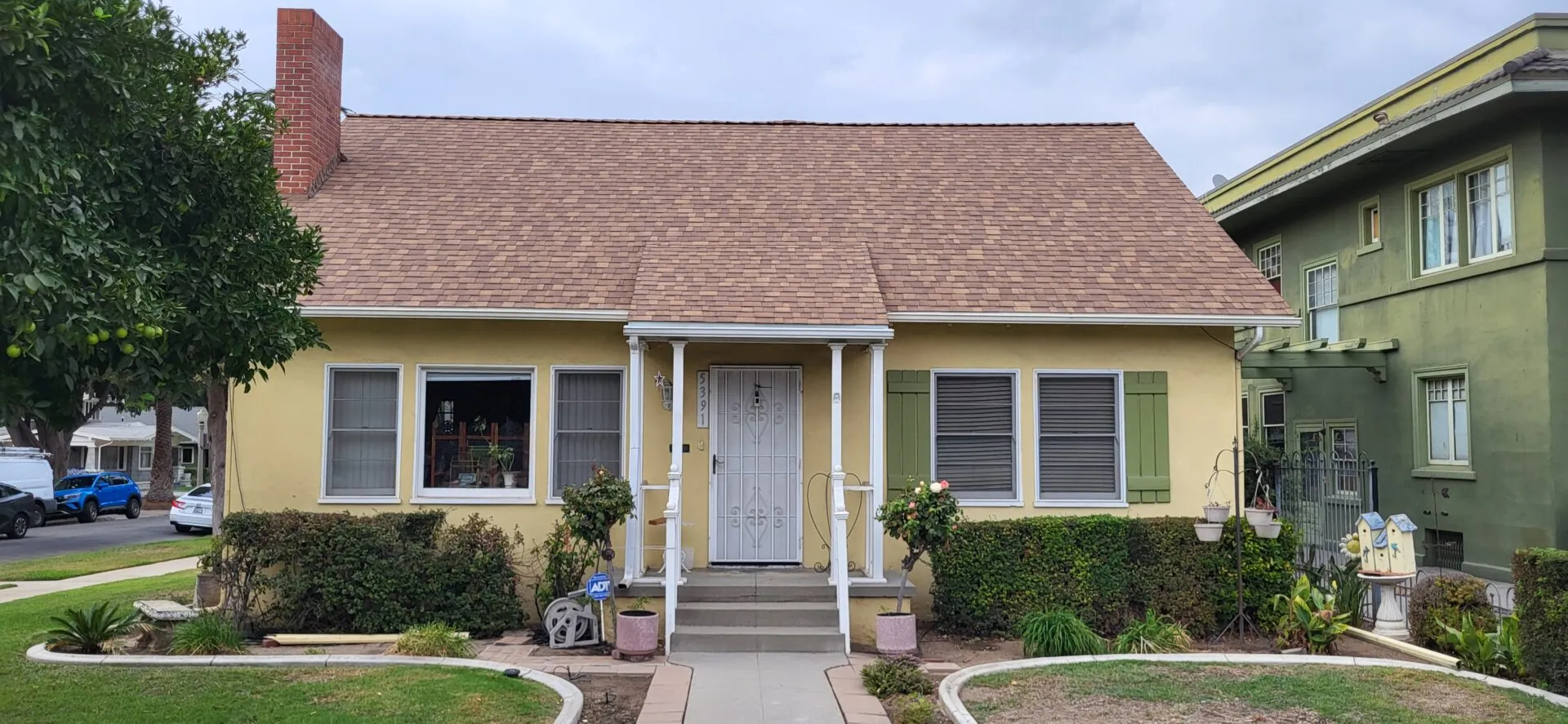
This is the difference you notice first. A 3-tab roof has a flat, uniform appearance. It looks tidy, but it also shows every wave in the roof deck and every slightly mismatched replacement shingle.
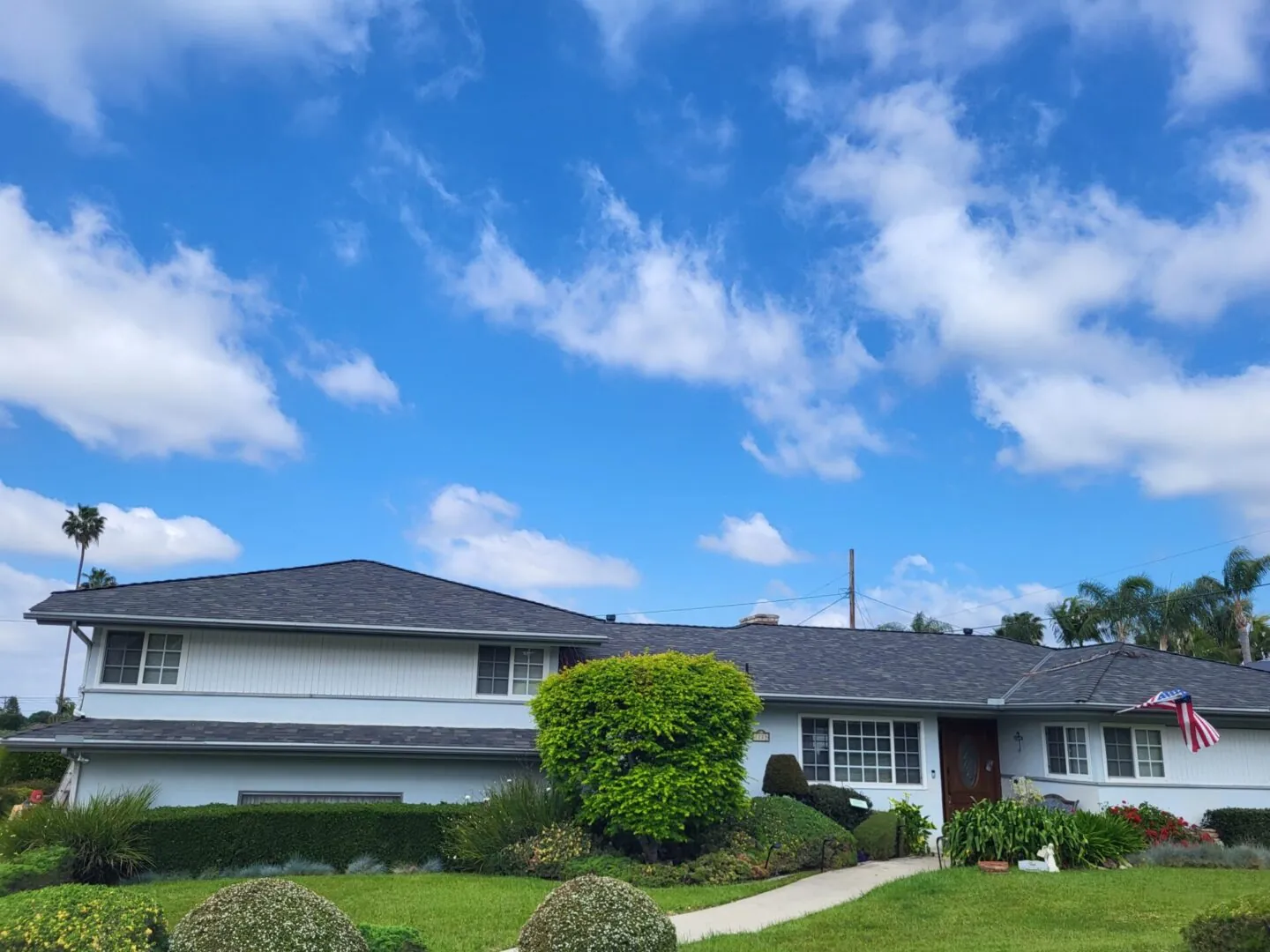
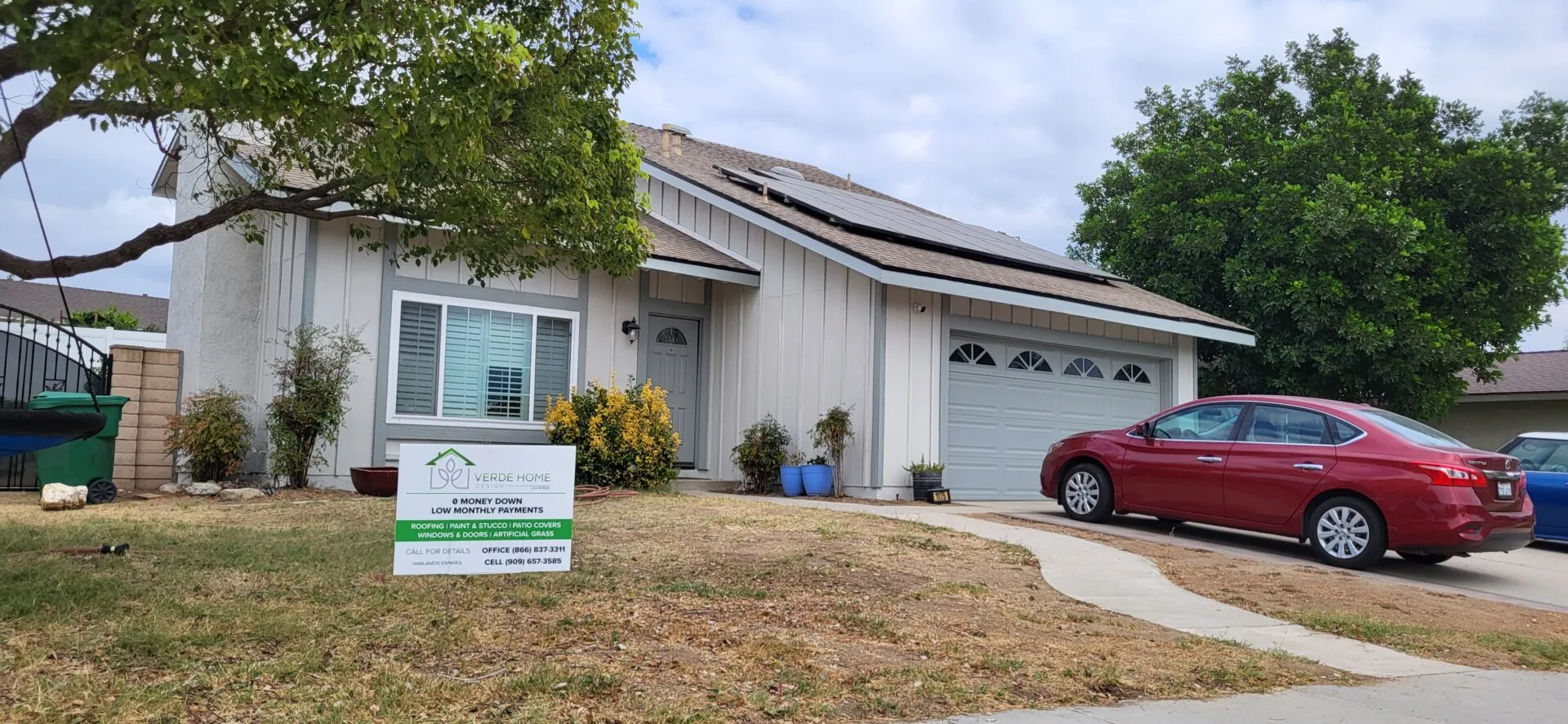
Architectural shingles hide a lot. The random, layered pattern disguises small dips in the deck and makes repairs blend in more easily. They also come in a wider range of blended colors, which is why they are the most requested roof we install. If you want to see how each looks on a finished home, ask to see photos of past projects with both.
If you are selling in the next few years, curb appeal matters. Buyers and agents tend to notice a dimensional roof, and a newer roof of either type is a plus on an inspection report.
Wind, sun and High Desert weather
Out here the weather is the real test. The Victor Valley gets regular wind advisories with gusts in the 40 to 55+ mph range, the sun is intense most of the year, and temperatures can swing hard between afternoon and night.
- Wind: Because architectural shingles are heavier and have more material at the nailing area, they generally resist wind better than 3-tab. The flat tabs on a 3-tab shingle give the wind an easy edge to catch. Every shingle package lists its wind rating, and some ratings depend on a specific nailing pattern, so ask your roofer how they install it.
- Sun and heat: Both types lose granules over time, and UV breaks down exposed asphalt. The thicker build of an architectural shingle gives it more to lose before it starts to fail.
- Temperature swings: Expansion and contraction every day and night can crack and curl thinner shingles sooner.
We cover what wind does to a roof, and what to check after a storm, in our post on High Desert wind and your roof.
Lifespan and warranty differences
As a general guide, asphalt shingle roofs last roughly 20 to 30 years, and architectural shingles typically outlast 3-tab. In strong High Desert sun, a roof may land on the shorter end of any range, especially if attic ventilation is poor.
Manufacturers usually offer longer material warranties on architectural lines than on 3-tab. The exact terms depend on the product, whether the warranty is registered, and whether the roof was installed to the manufacturer's instructions. Always read the written warranty itself rather than relying on the number on a brochure.
Keep in mind that a material warranty covers defects in the shingle, not installation mistakes. That is what a contractor's workmanship warranty is for. Ask for both in writing, and read them side by side.
Cost: where the price difference comes from
Roofing is priced per square (100 square feet), and 3-tab shingles have the lowest cost per square of any shingle we install. Architectural shingles cost more because there is more material in every bundle.
That said, the shingle is only one part of the price. Tear-off, deck repairs, underlayment, flashing, ventilation, roof pitch, access and permits all add up, and those costs are about the same whichever shingle you pick. On a full replacement, the gap between 3-tab and architectural is often smaller than homeowners expect once everything else is counted.
For a full breakdown of what drives the number, read how much a new roof costs in Hesperia. If budget is tight, ask for both shingle options on the same estimate so you can compare the real difference.
Cool roof color and code questions
If more than half of your roof is being replaced, California's energy code may require a cool-rated roofing product here in the High Desert and in the San Bernardino valley. That applies to 3-tab and architectural shingles alike, and it affects which colors are available to you.
Many manufacturers offer cool-rated colors in their architectural lines, and they are not limited to white. We explain the rule, and the exceptions, in California cool roof rules for re-roofing. If your home is in a Fire Hazard Severity Zone, most fiberglass asphalt shingles carry a Class A fire rating as a listed assembly, which we cover in Class A fire-rated roofs.
When 3-tab still makes sense
Architectural is the right call for most full replacements, but 3-tab is not a bad product. It makes sense when:
- You are roofing a detached garage, shed or workshop where looks matter less.
- It is a rental and you need a sound, budget-friendly roof.
- You are repairing a section of an existing 3-tab roof and want it to match.
- You plan to sell soon and simply need a solid, code-compliant roof.
One thing to know: fewer 3-tab lines are made today than in the past, so color choices can be limited. If you need to match an older 3-tab roof exactly, ask your roofer what is still available before you commit to a repair plan.
How Ocelot Roofing can help
The best way to choose is to see both on your own house, with real numbers. We will inspect your roof, check the deck and ventilation, and give you a free, itemized estimate that can show 3-tab and architectural side by side, so you can see exactly what the difference costs on your home.
Manny Torres, the owner, oversees every job from start to finish, so you get straight answers on which shingle fits your home and budget. Learn more about our shingle roofing options, request your free estimate, or call (866) 837-3311.
Common questions
Can I mix architectural and 3-tab shingles on the same roof?
It is possible on separate roof sections, like a garage or porch, but mixing them on the same slope usually looks patchy because the profiles and shadow lines are different. If you are replacing most of the roof, it is usually better to go with one type throughout. Your roofer can tell you whether a mix will look right on your home.
Are architectural shingles heavier than 3-tab?
Yes. Architectural shingles have more layers, so each bundle weighs more. Most homes built for a shingle roof handle the difference without any issue, but your roofer should check the deck and framing during the inspection. This is a much smaller jump than switching from shingles to tile.
Do architectural shingles make my house cooler?
Not by themselves. How hot your attic gets depends mostly on the shingle's color and reflectance, attic ventilation and insulation. A cool-rated color in either type will reflect more sunlight than a standard dark shingle, and fixing ventilation often makes a bigger difference than the shingle style.
About the author
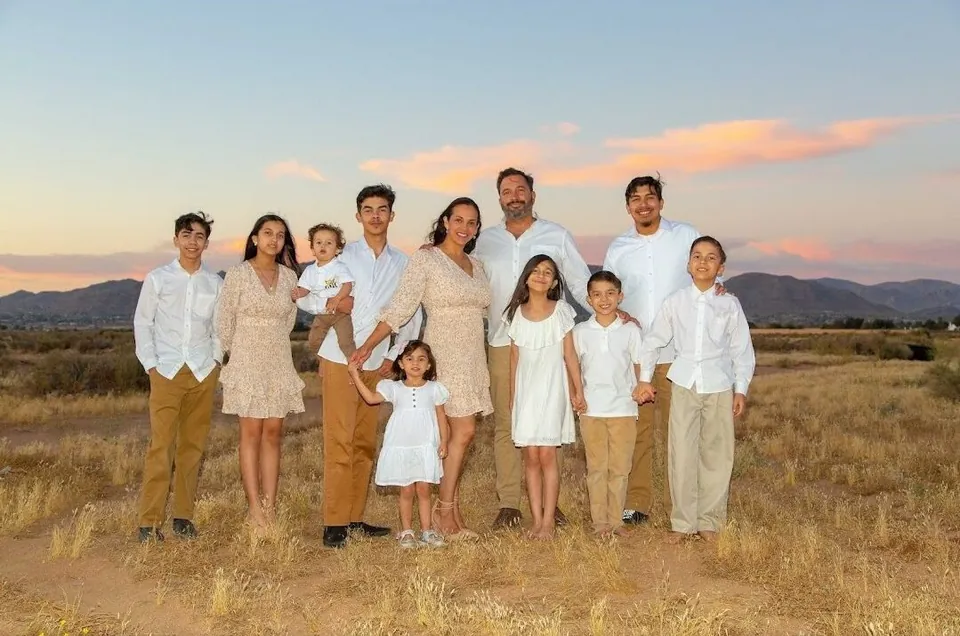
Manny Torres, Owner, Ocelot Roofing
Manny Torres owns Ocelot Roofing and personally oversees every project from estimate to final cleanup. Ocelot Roofing is part of Verde Home Design Inc., a third-generation family business based in Hesperia, CA.