Quick answer
The cost of a new roof in Hesperia depends on the size of the roof (priced per square, or 100 square feet), its pitch, the material you choose, how many old layers must be torn off, how much deck repair is needed, and code items like permits and California cool roof rules. A free, itemized estimate is the only way to get a real number for your home.
Why there's no one price for a new roof
If you've asked around Hesperia, Victorville or Apple Valley, you've probably heard very different numbers for a new roof. That's not always because someone is overcharging. Two houses on the same street can have roofs that are very different jobs.
Roofers build a price from a handful of things: how big the roof is, how steep it is, what's on it now, what you want on it next and what the code requires. Once you understand those pieces, estimates start to make a lot more sense, and it gets easier to spot one that's missing something.
This guide walks through each one so you know what you're paying for before anyone climbs a ladder.
Roofing is priced per square
Roofers measure in squares. One square is 100 square feet of roof surface. A roof isn't the same as your home's floor area, because the pitch, overhangs, porches and garage all add surface. A 1,800 square foot house can easily have well over 18 squares of roof.
That's why a good estimate starts with an actual measurement, either on the roof or from accurate aerial measurements confirmed on site. If an estimate doesn't list the number of squares, ask for it. It's the easiest way to compare quotes fairly.
Roofers also add a waste factor for cutting around hips, valleys and edges. A roof with lots of angles uses more material than a simple gable roof of the same size.
Pitch, layout and access
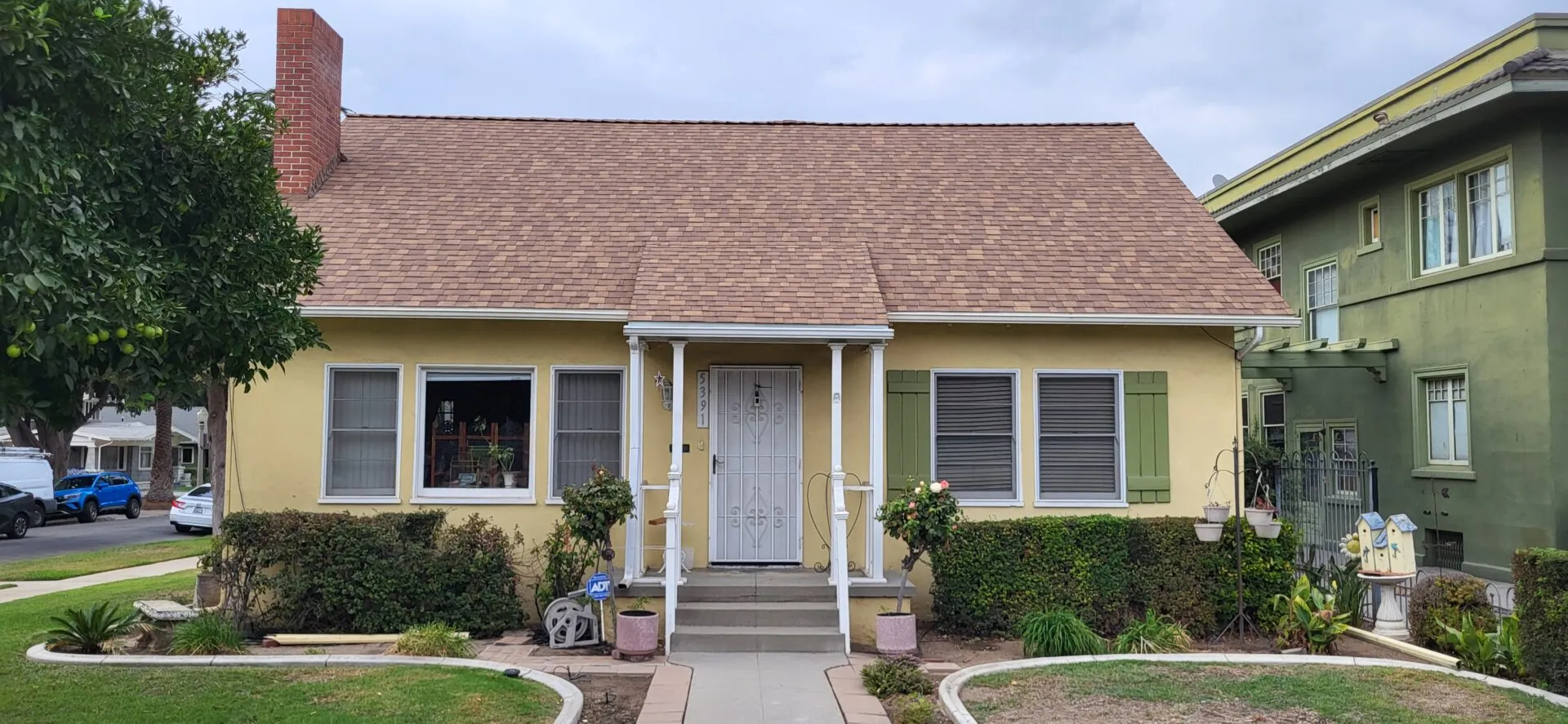
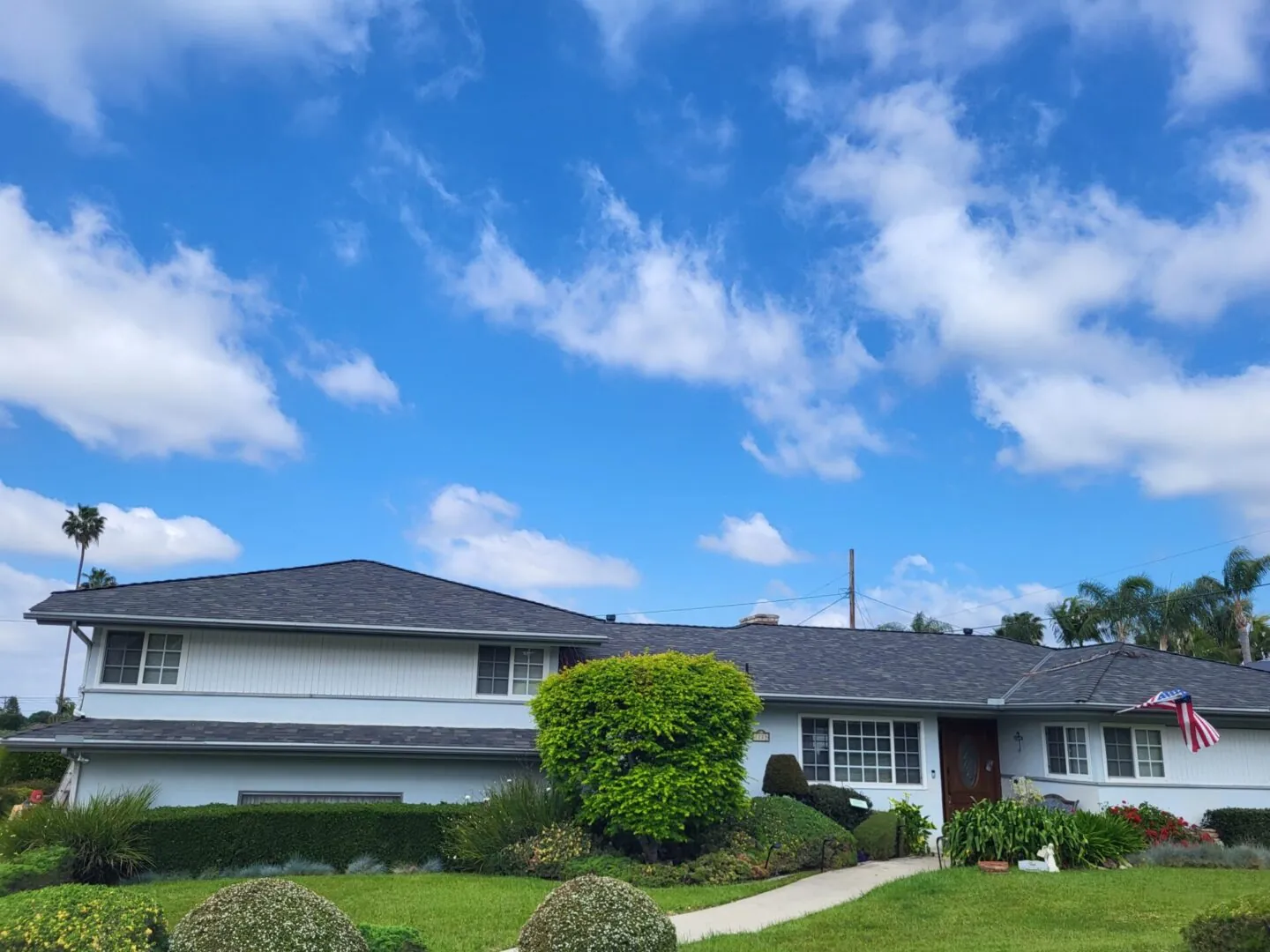
Steep roofs take longer and require more safety equipment. Crews move slower, materials have to be staged carefully and some roofs need extra staging or harness setups. A low, walkable ranch roof is a very different day than a steep two-story in Oak Hills.
Layout matters too. Every valley, dormer, skylight, chimney and wall where the roof meets siding needs flashing work. More features means more labor and more parts.
Access also plays a role. If the dumpster can't sit close to the house, if there's landscaping to protect, or if the crew has to carry materials a long way, it adds time.
The material you choose
Material is the biggest choice you control. In general terms:
- 3-tab composition shingles are the most budget-friendly option, with a flat, uniform look.
- Architectural shingles are thicker and layered, cost more than 3-tab, and typically come with longer manufacturer warranty options. We compare them in architectural vs 3-tab shingles.
- Concrete and clay tile costs more up front and is heavier, but the tile itself can last for decades. Tile is also heavier, so the roof framing has to be able to carry it.
- Flat and low-slope sections over additions or patio covers need their own materials, priced separately.
Color can matter more than people expect. Under California's energy code, many re-roofs in our area need a cool-rated product, which we explain below. Most manufacturers offer cool-rated shingle colors, so this usually narrows your color choices rather than your material.
Tear-off, layers and the roof deck
Before a new roof goes on, the old one usually comes off. If your home has two layers of shingles, there's twice as much to remove and haul away. Tile tear-offs are heavier still.
Once the old roof is off, the crew can see the deck, the plywood or boards the roof is nailed to. Soft, rotted or delaminated sheathing has to be replaced. Nobody can know exactly how much until the roof is open, so a fair estimate will explain how deck repair is priced, usually per sheet, instead of hiding it.
Ask every roofer the same question: "If you find bad decking, how is it charged?" A clear answer in writing protects you from surprises halfway through the job.
A tear-off also means new underlayment, drip edge and flashing go on correctly. That's part of why a full roof replacement is usually worth more than a second layer laid over the first.
Code items that affect the price
A few rules add cost in California, and a good estimate accounts for them up front.
Permits
Re-roofs generally need a building permit from the City of Hesperia Building & Safety or, in unincorporated areas, San Bernardino County Land Use Services. The permit and inspection are part of the job, and your contractor should pull them.
Cool roof requirements
Under California's 2025 Energy Code (Title 24, Part 6), when more than half of an existing home's roof is re-roofed in Climate Zones 4 and 8 to 15, the new roof generally has to meet cool roof standards. The Victor Valley is Climate Zone 14 and the San Bernardino valley is Climate Zone 10, so both are covered. Products are rated by the Cool Roof Rating Council. Exceptions exist, and your building department has the final word. Our guide to California cool roof requirements goes deeper.
Fire zones
If your home is in a Fire Hazard Severity Zone, which covers many High Desert and mountain addresses, a major re-roof generally needs a Class A fire-rated roof. Most asphalt shingles and tile qualify as listed assemblies. You can check your address on CAL FIRE's Fire Hazard Severity Zone map.
Ventilation, flashing and the parts people skip
The parts of a roof you don't see from the street are where cheaper bids often cut. Watch for these line items:
- Underlayment: the water barrier under the shingles or tile.
- Drip edge: metal at the edges that directs water away from the fascia.
- Flashing: new metal at walls, chimneys, skylights and valleys, not old flashing reused.
- Pipe boots and vents: replaced, not just caulked.
- Ventilation: intake and exhaust checked and corrected. In High Desert summers, a hot, poorly vented attic can shorten shingle life.
If one estimate is much lower than the others, compare these lines first. Our guide on how to compare roofing estimates has a full checklist.
How Ocelot Roofing can help
The only way to know what your roof will cost is to have someone measure it and look at what's there. Ocelot Roofing gives free, itemized, no-obligation estimates across Hesperia, the Victor Valley and the Inland Empire, so you can see exactly what's included and compare options side by side.
Owner Manny Torres oversees every project from start to finish, and we'll talk through financing if that helps. Flexible roof financing is available for qualified homeowners, subject to credit approval. Read more in roof financing in California.
Request your free estimate or call (866) 837-3311 to set up a time.
Common questions
Does a two-story house cost more to roof than a single-story?
Often, yes. A two-story roof usually needs more safety setup and more time moving materials, and steep pitches slow the crew down. The actual difference depends on the roof's size, pitch and layout, so it's best judged from a measured estimate.
Why do roofing estimates for the same house vary so much?
Estimates can differ in the number of squares measured, the material quality, whether they include new flashing, drip edge and ventilation, and how they handle deck repair. Line up each estimate item by item before comparing totals.
Is the building permit included in a roof estimate?
It should be. Re-roofs generally need a permit from the city or county, and your contractor normally pulls it and schedules the inspection. Ask each roofer to confirm the permit is listed in the written estimate.
About the author
Manny Torres, Owner, Ocelot Roofing
Manny Torres owns Ocelot Roofing and personally oversees every project from estimate to final cleanup. Ocelot Roofing is part of Verde Home Design Inc., a third-generation family business based in Hesperia, CA.