Quick answer
To compare roofing estimates, first confirm each contractor's license on the CSLB website. Then make sure every bid covers the same scope: tear-off, deck repair, underlayment, flashing, drip edge, ventilation, material, permits and cleanup. In California, a home improvement down payment can't exceed $1,000 or 10% of the contract price, whichever is less.
Start with the license, not the price
Before you compare numbers, make sure every roofer you're considering is actually licensed. In California, the Contractors State License Board (CSLB) lets anyone look up a license for free. You can see whether it's active, what classification it covers, and whether there's a bond and workers' compensation on file.
It takes a couple of minutes, and it's the single best filter you have. A contractor who hesitates to give you their license number is telling you something. You can check ours, license #1013529, on the CSLB website.
While you're at it, make sure the name on the license matches the name on the estimate. Ocelot Roofing, for example, is a DBA of Verde Home Design Inc., and both names point to the same license, so you're never left guessing.
It also helps to know that a roofing license on its own isn't the whole picture. Ask whether the people on your roof are the contractor's own crew or subcontractors, and who is responsible if something goes wrong. The answer should be simple and specific.
Make sure every bid describes the same roof
The most common mistake homeowners make is comparing totals when the bids describe different jobs. One roofer may include a full tear-off and new underlayment; another may be quoting a layover with new shingles only. The cheaper number isn't cheaper if it leaves out half the work.
Line the estimates up side by side and check that each one spells out:
- Tear-off: how many layers are coming off, and disposal
- Deck inspection and repair: how damaged sheathing will be handled and priced
- Underlayment: what type, and whether it's new throughout
- Drip edge and flashing: new or reused, and where
- Ventilation: whether intake and exhaust will be checked and corrected
- Roofing material: brand, product line, color and style
- Permit: who pulls it and whether it's included
- Cleanup: magnetic nail sweep, debris haul-off, protection for landscaping
If one bid is missing an item, ask that roofer directly. Sometimes it's included and just not written down. If so, get it added in writing.
The line items that tend to go missing
A few items cause most of the surprises after a job starts:
- Deck repair pricing. Nobody knows how much sheathing is damaged until the old roof is off. A fair estimate says how that will be handled, usually a price per sheet, so you're not negotiating on a half-open roof.
- Extra layers. If there's a second or third layer under the visible one, tear-off takes longer. Ask whether the bid assumes one layer or more.
- Code requirements. In much of our area, re-roofs trigger California's cool roof rules, and homes in fire hazard zones need a Class A roof. See our posts on cool roof requirements and Class A fire-rated roofs.
- Warranty details. Material and workmanship warranties are two different things. Our guide to roof warranties explains what to look for.
For a deeper look at what drives the total, read how much a new roof costs in Hesperia.
California contract rules that protect you
California has specific rules for home improvement contracts, and roofing work on your house falls under them. According to the CSLB, a few of the most important are:
- Down payment limit. The down payment can't be more than $1,000 or 10% of the contract price, whichever is less.
- Right to cancel. On home improvement contracts over $500, you generally have three business days to cancel. For homeowners 65 and older, that period is five business days.
- A written contract. The contract should describe the work, the materials, the schedule of payments and the contractor's license number.
The CSLB's consumer guide to home improvement contracts goes into more detail and is worth a read before you sign anything.
If a roofer asks for a large deposit up front "to order materials," that's a red flag. California law caps the down payment, and later payments should track the work that's actually been done.
Questions to ask every roofer
Once the bids are lined up, a short conversation with each contractor tells you a lot. Ask:
- Who will be on my roof, and who is responsible for the job day to day?
- How will you handle damaged decking if you find it?
- What underlayment and flashing are included?
- Will you check and correct the attic ventilation?
- Who pulls the permit, and is the final inspection included?
- What warranty comes from the manufacturer, and what do you cover yourself?
- How do you protect the yard, and how do you clean up?
Pay attention to how the answers come back, not just what they are. Clear, specific answers are a good sign. Vague ones usually mean vague work.
It's also fair to ask for a rough schedule: when the job can start, how many days it should take, and what happens if weather gets in the way. In the High Desert, strong wind can pause work on a roof for a day or two, and a good contractor will plan for that and keep you posted instead of leaving the roof exposed.
Red flags worth walking away from
- No license number, or a license that doesn't match the business name
- Pressure to sign today to "lock in" a price
- A total with no line items
- A deposit above what California law allows
- No mention of a permit on a full re-roof
- Door-to-door offers right after a windstorm from someone you've never heard of
None of these alone proves a contractor is bad, but each one is a reason to slow down and ask more questions. A roofer who is confident in their work won't mind you taking a day or two to read the contract and check the license.
The lowest bid isn't automatically the wrong one, and the highest isn't automatically the best. What you want is the bid that clearly describes a complete roof, from a licensed contractor who answers your questions. Our post on affordable roofing without cutting corners covers where a lower price is fine and where it isn't.
How Ocelot Roofing can help
We write our estimates to be compared. Every Ocelot Roofing estimate is free, itemized and comes with no obligation, so you can see exactly what's included, from tear-off and underlayment to flashing, ventilation and cleanup. If another bid has something ours doesn't, ask us about it. We'd rather explain the difference than have you guess.
Manny Torres, the owner, oversees every project from start to finish, so you'll know who's accountable before you sign.
When you're ready, request your free estimate or call (866) 837-3311.
Common questions
How many roofing estimates should I get?
Two or three is usually enough to get a feel for fair pricing and scope. More than that can make the comparison harder, not easier. What matters most is that each estimate describes the same scope of work so you're comparing like with like.
What's the difference between a roofing estimate and a contract?
An estimate is a proposal that describes the work and price. A contract is the signed agreement that binds both sides. In California, a home improvement contract should spell out the work, materials, payment schedule and the contractor's license number, and it comes with cancellation rights.
Is it a bad sign if a roofing estimate is much lower than the others?
Not always, but it's worth a closer look. A much lower bid often leaves out items like deck repair, new underlayment, flashing or the permit. Ask the contractor to walk you through what's included and get any missing items added in writing.
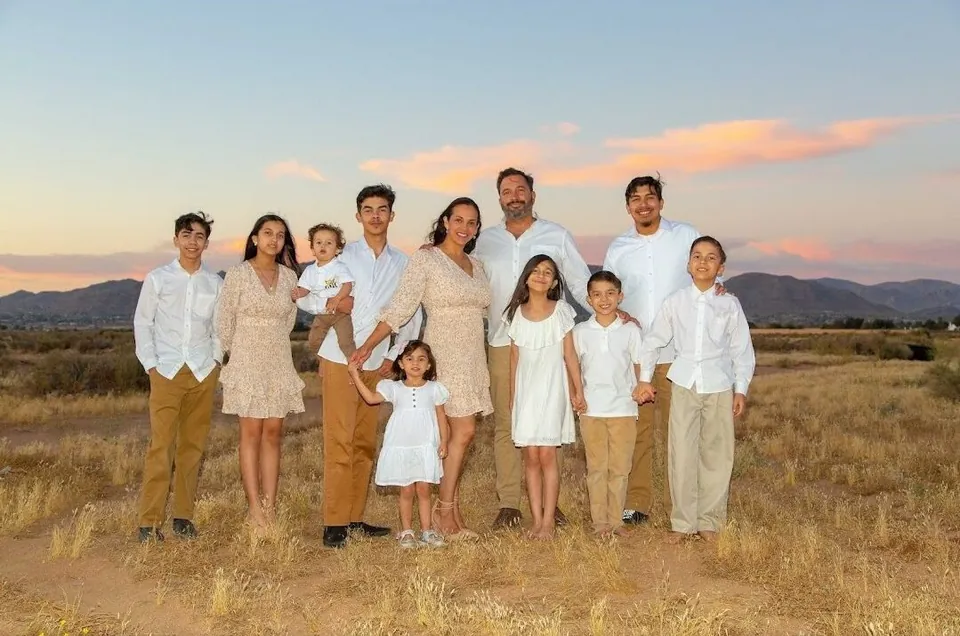
About the author
Manny Torres, Owner, Ocelot Roofing
Manny Torres owns Ocelot Roofing and personally oversees every project from estimate to final cleanup. Ocelot Roofing is part of Verde Home Design Inc., a third-generation family business based in Hesperia, CA.